How Russia is building a comprehensive digital control system through a mandatory super app
The Bottom Line
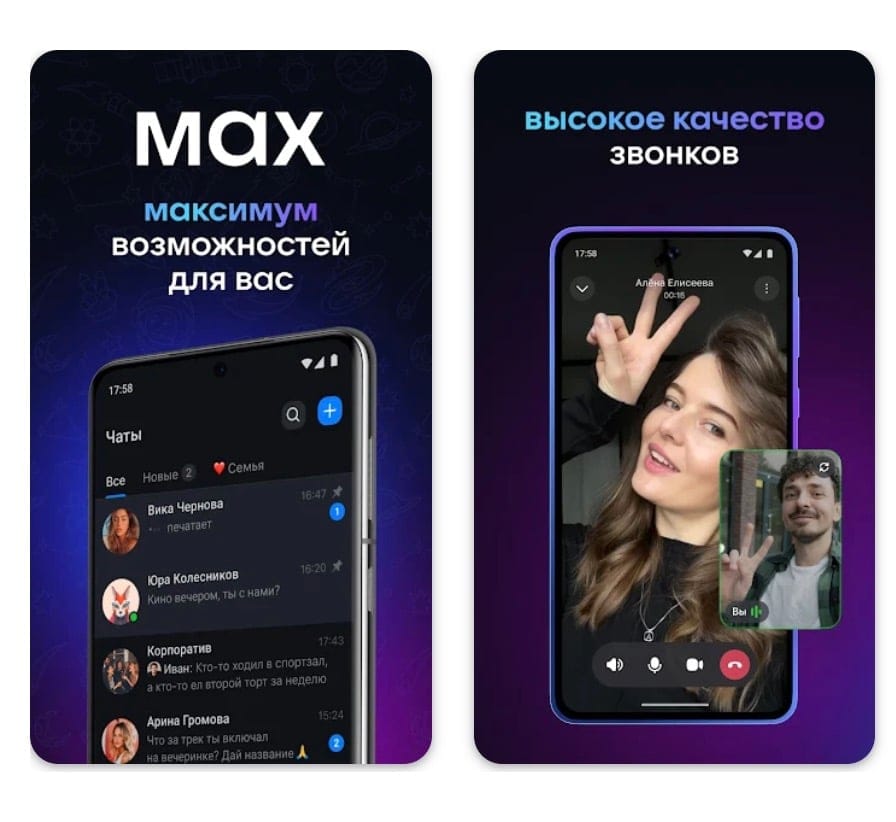
Russia has launched a pilot program integrating state-issued digital identification into Max, a VKontakte messaging app that must now be pre-installed on every smartphone sold in the country. By requiring biometric data or passport verification linked to government services, Russia is creating a centralized system where daily activities—from buying groceries to accessing healthcare—flow through a single state-monitored platform.
Russia’s WhatsApp and VPN Restrictions: Separating Fact from Fiction
What’s Happening
Russia’s Ministry of Digital Development, Communications, and Mass Media has begun testing a digital identification system embedded within Max, a messaging and social platform developed by VKontakte, the country’s dominant social network. The pilot program, which started in recent weeks, represents a significant expansion of state digital infrastructure into everyday life.
How the System Works
The digital ID activation process follows a strict verification pathway. Adults must first link their Max account to Gosuslugi, Russia’s centralized state services portal that already handles everything from tax payments to passport applications. Users then face two verification options: either submit biometric data to Russia’s Unified Biometric System, or upload passport documentation combined with a selfie for identity confirmation.
Once verified, Max generates a dynamic QR code that serves as the user’s official digital identification. This code, stored directly on the device, can be scanned to verify identity, prove age, or access services. The initial testing phase focuses on age verification at Magnit supermarkets across Moscow, St. Petersburg, and Krasnodar, but government officials have made clear this is merely the beginning.
The Super App Vision
Max is being deliberately constructed as Russia’s answer to China’s WeChat—a comprehensive digital ecosystem where users can communicate, make payments, access government services, and interact with commercial platforms without ever leaving the application. The app already combines messaging features with mini-apps and chatbots designed to handle tasks ranging from paying traffic fines to scheduling medical appointments.
State agencies are being granted verified user profiles within the system, while companies can develop mini-apps that plug into the Max ecosystem. Content creators are also being actively recruited to the platform. Perhaps most significantly, as of September 1, Max must be pre-installed on every smartphone sold in Russia, ensuring near-universal adoption regardless of consumer choice.
The New Dawn of Internet Access in Russia: A Comprehensive Look at the Imminent VPN Ban
The Privacy and Surveillance Concerns
The architecture of this system raises fundamental questions about digital rights and state surveillance capabilities.
Data Sharing and Government Access
Max’s terms of service explicitly permit user data to be shared with government bodies. VKontakte, the company behind Max, has an established history of cooperation with Russian authorities, including providing user data when requested. With digital identification now integrated into the platform, the government gains unprecedented visibility into citizens’ daily activities—not just their communications, but their purchases, locations, service usage, and more.
The mandatory pre-installation requirement eliminates meaningful choice. Citizens who want to access increasingly essential digital services must participate in a system designed with government oversight built into its foundation. There are no meaningful alternatives being offered, no robust privacy protections, and no independent oversight of how data is collected, stored, or used.
The Centralization Risk
By consolidating so many critical functions into a single state-controlled application, Russia creates what security experts call a “single point of failure” for citizens’ digital lives. If Max is compromised, hacked, or used for political purposes, users have few alternatives for accessing basic services. The system also creates detailed behavioral profiles—patterns of communication, spending, movement, and service usage that could be analyzed to identify dissent, track activists, or enforce social control.
The Broader Context
This development doesn’t exist in isolation. Russia has been steadily tightening control over digital communication and online activity.
Crackdown on Independent Platforms
In August, Russian authorities imposed restrictions on Telegram and WhatsApp, accusing both platforms of enabling criminal activity and terrorism. These restrictions came despite both apps’ widespread use among Russian citizens for private communication. The timing suggests a coordinated effort to push users toward state-controlled alternatives like Max, where communications can be more easily monitored.
The Digital Iron Curtain: How China and Russia Are Rewriting the Rules of Internet Control
The government has also implemented increasingly strict internet regulations, including laws requiring data localization and giving authorities broad powers to block content and access user information. The digital ID system through Max represents the logical next step in this progression—moving beyond controlling what citizens can access online to tracking and verifying their digital identities.
The China Model
Russia’s approach closely mirrors China’s digital governance strategy. WeChat, which Max is explicitly modeled after, has become essential infrastructure in Chinese daily life while simultaneously serving as a powerful surveillance tool for the Chinese government. The app’s integration of social features, payments, and government services creates a comprehensive digital profile of each user, enabling sophisticated monitoring and social control.
By following this blueprint, Russia signals its adoption of the Chinese model of digital governance—one where convenience and connectivity come at the cost of privacy and autonomy, and where the state maintains pervasive visibility into citizens’ digital lives.
What Comes Next
Government officials have indicated plans to expand the digital ID system well beyond age verification at supermarkets. The infrastructure being built could eventually encompass virtually every interaction between citizens and institutions—both governmental and commercial.
Unpacking the Kremlin’s Mind War: Understanding Russian Cognitive Warfare
Potential expansions could include boarding public transportation, accessing buildings, verifying credentials for employment, opening bank accounts, or receiving government benefits. As more services migrate into the Max ecosystem, citizens will face increasing pressure to participate in a system that offers convenience while extracting comprehensive data about their lives.
The international community is watching closely. Russia’s digital ID experiment provides a case study in how authoritarian governments can leverage technology for control while framing it as modernization and convenience. The model may prove attractive to other nations seeking similar capabilities.
The Stakes
Digital identification systems aren’t inherently problematic. Many democracies use them to streamline government services and reduce fraud. The difference lies in governance, oversight, and choice.
Russia’s approach raises alarms because it combines mandatory adoption with state control, minimal privacy protections, and a political environment where dissent is increasingly criminalized. The system being built doesn’t just identify citizens—it creates infrastructure for comprehensive surveillance and control over digital life.
For Russian citizens, the question isn’t whether digital ID will arrive, but whether any meaningful protections, oversight, or alternatives will exist once it does. So far, the answer appears to be no.
As governments worldwide explore digital identification systems, Russia’s Max app pilot serves as a stark reminder that technology is never neutral. The same tools that promise convenience can enable control, and the same platforms that connect people can be used to monitor them. The question facing societies globally is not whether to adopt digital infrastructure, but who controls it, how it’s governed, and whether citizens retain meaningful choice in how their digital identities are used.